Understanding the psychological triggers that drive gambling behavior
The Nature of Gambling Addiction
Gambling addiction is a complex issue rooted in various psychological triggers. Individuals often engage in gambling as a form of escapism from life’s challenges, using the thrill of winning as a temporary relief from stress and anxiety. This psychological mechanism leads to a cycle where the more one gambles, the more they may seek that high, creating a pattern that can be difficult to break. For those interested in the flourishing industry, online gambling australia provides options that tempt many. Understanding this nature is crucial for both individuals and those around them.
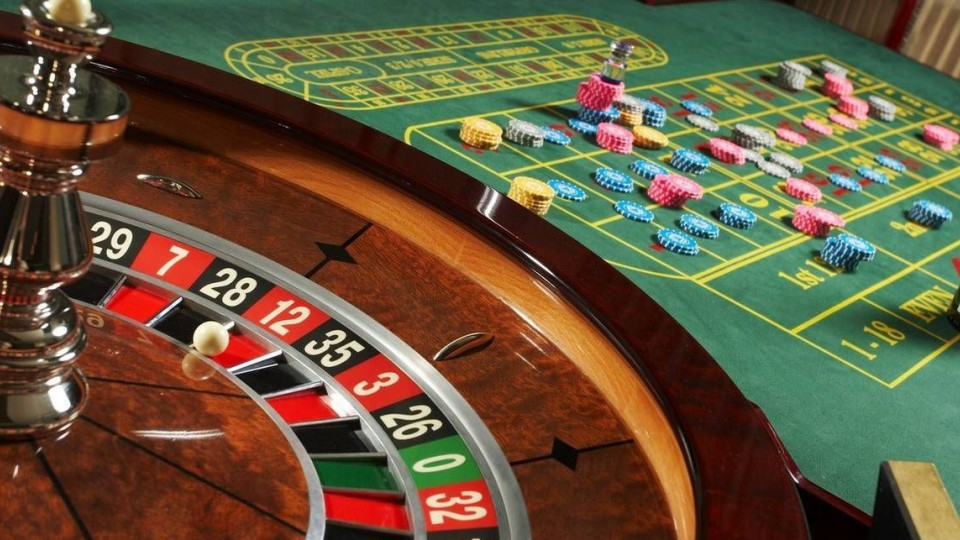
Moreover, the excitement associated with gambling can create a powerful allure. The anticipation of winning can stimulate the brain’s reward system, similar to the effects of drugs or alcohol. As individuals repeatedly experience this rush, they may find themselves compelled to gamble more frequently, even in the face of negative consequences. This tendency is exacerbated by social influences, where peers might normalize or encourage gambling behavior.
Consequently, the emotional highs and lows that accompany gambling can deepen the addiction. Winning can lead to euphoric feelings, while losses may result in despair, driving some individuals to chase their losses in hopes of a return to that initial high. This cycle often traps individuals in a continuous loop of gambling, reinforcing their addiction and making it increasingly difficult to quit.
The Psychological Mechanisms Behind Gambling
A variety of psychological mechanisms contribute to gambling behavior, notably cognitive distortions. Many gamblers fall prey to the illusion of control, believing they can influence random events, such as the outcome of a dice roll or a card shuffle. This belief can lead them to take risks that they might otherwise avoid, reinforcing their gambling habits and leading to further financial and emotional distress.
Additionally, gamblers often experience what is known as “gambling myopia,” a short-sighted focus on immediate wins and losses. This psychological state can cause them to overlook the long-term consequences of their gambling behavior. They might fixate on small victories while ignoring the larger picture of their overall financial situation, which can be detrimental in the long run.
Another critical aspect is the role of intermittent reinforcement in gambling. Unlike many other forms of entertainment, gambling does not offer consistent rewards; rather, it rewards unpredictably. This randomness can be incredibly motivating, as individuals may feel that they are close to a big win, encouraging them to continue gambling. Such reinforcement creates a strong behavioral conditioning that can cement the habit.
The Role of Environment and Social Influence
The environment plays a significant role in shaping gambling behavior. Factors such as availability and accessibility to gambling venues can significantly influence an individual’s propensity to gamble. For instance, living near a casino or frequenting social circles that view gambling favorably can increase one’s likelihood of engaging in gambling activities, often without a full understanding of the associated risks.
Furthermore, social acceptance and normalization of gambling can reinforce these behaviors. In many cultures, gambling is often seen as a form of entertainment, with social events centered around wagering activities. This cultural framing can lead individuals to perceive gambling as harmless fun rather than a potential addiction, obscuring the risks involved.
Peer pressure also acts as a psychological trigger. Individuals may feel compelled to gamble to fit in or gain acceptance within a social group. This dynamic often leads to unhealthy gambling habits, especially in younger individuals who may be more susceptible to external influences. The need for social belonging can overshadow the potential dangers associated with gambling.
Emotional Factors Contributing to Gambling Behavior
Emotional factors, including stress and depression, can significantly influence gambling behavior. Many individuals turn to gambling as a coping mechanism for negative emotions. Instead of addressing underlying issues, they might seek solace in the thrill of betting, viewing it as an escape from their problems. This behavior can create a vicious cycle where the act of gambling exacerbates their emotional state, leading to increased gambling.
Additionally, feelings of loneliness or boredom can push individuals toward gambling. In moments of isolation, they may seek out the excitement of gambling as a means of connection, even if it’s a solitary activity. This impulsive reaction to negative emotions can lead to increased gambling frequency and intensity, further entrenching them in the cycle of addiction.
Moreover, the emotional highs associated with winning can create a false sense of security. Individuals often chase these highs, believing that their luck will improve or that they can recover their losses. This emotional rollercoaster can result in reckless gambling behaviors, as the individual may ignore the reality of their situation in pursuit of another win.

Website Overview and Resources
This website aims to provide a comprehensive understanding of the psychological triggers behind gambling behavior. By exploring the interplay of emotional, cognitive, and social factors, we aim to inform individuals and their families about the complexities of gambling addiction. Our resources focus on fostering awareness and understanding to facilitate healthier choices regarding gambling.
Through evidence-based insights, articles, and tools, we strive to create an informed community that encourages responsible gambling practices. Whether you are seeking help for yourself or a loved one, our platform serves as a trusted resource, guiding you towards informed decisions and potential interventions. We emphasize the importance of understanding the psychological aspects of gambling as a vital step in addressing this multifaceted issue.